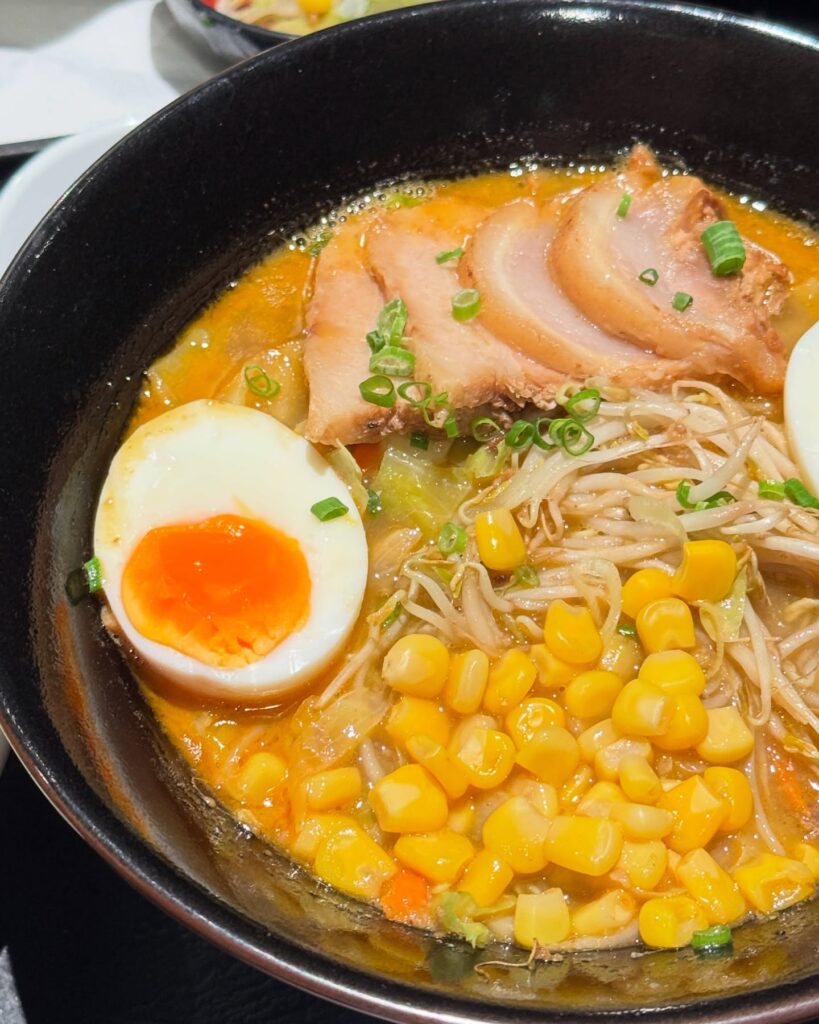
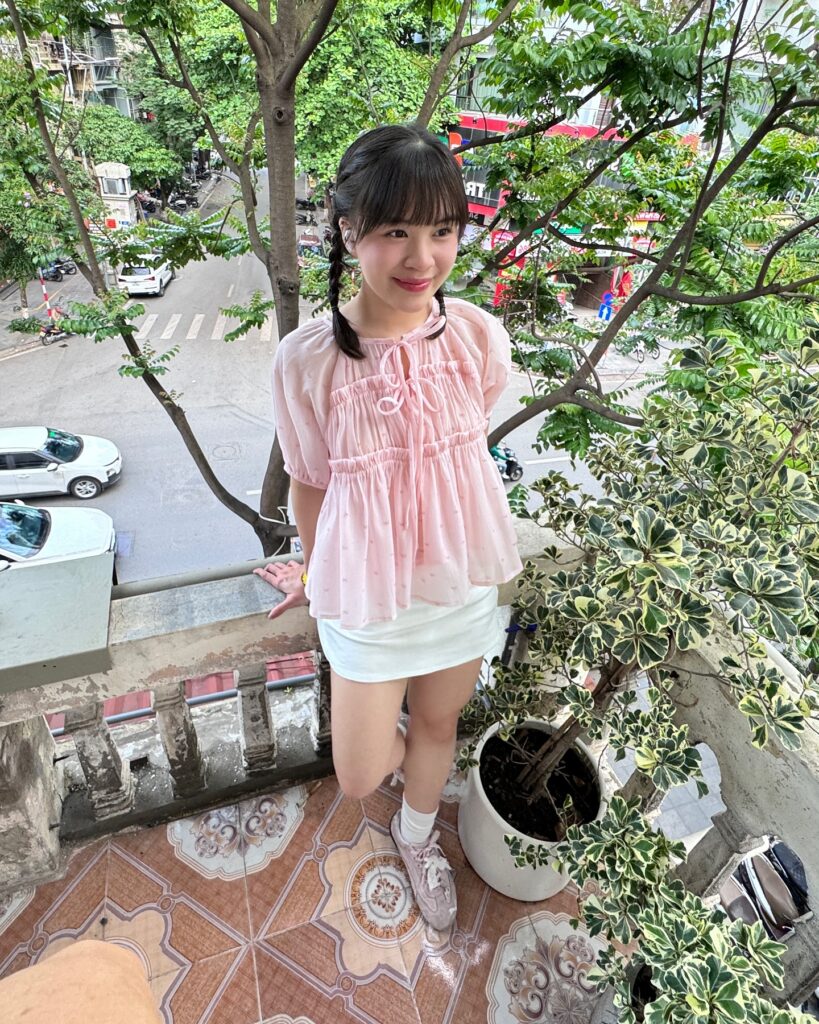
Did you know that Vietnam has over 3,000 different street food dishes? When I first heard that statistic, I thought it was exaggerated. Boy, was I wrong! After spending countless hours wandering through bustling Vietnamese markets and cramped alleyways, I can honestly say that Vietnamese street food culture isn’t just about eating – it’s about experiencing an entire way of life that’s been perfected over centuries.
Vietnamese street food represents the heart and soul of the country’s culinary identity. It’s where tradition meets innovation, where families pass down recipes through generations, and where locals gather to share stories over steaming bowls of pho at 6 AM.
My First Taste of Authentic Vietnamese Street Food
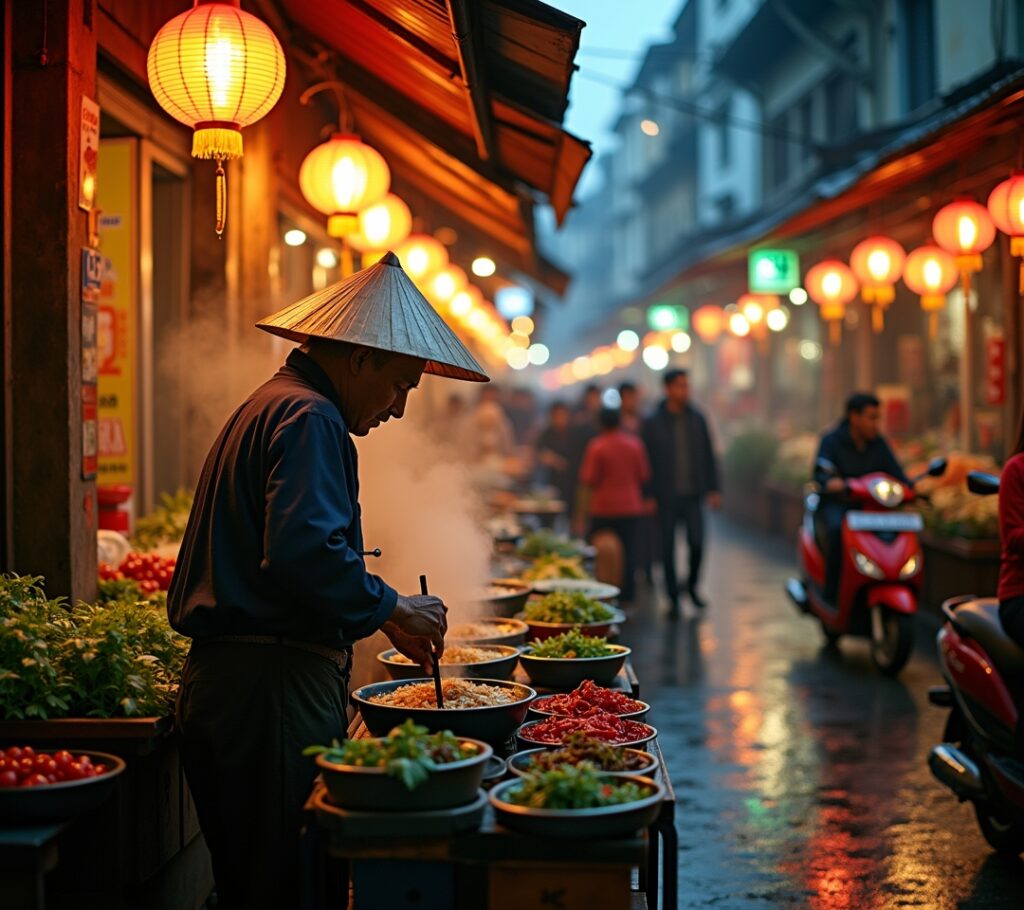
I’ll never forget my first morning in Ho Chi Minh City. The jet lag had me up at 5 AM, and I stumbled out of my hotel looking for coffee. Instead, I found myself standing in front of a tiny plastic stool, slurping the most incredible pho bo I’ve ever tasted.
The vendor, an elderly woman who spoke zero English, somehow understood exactly what I needed. She ladled the aromatic broth over rice noodles with such precision that it felt like watching an artist at work. That’s when I realized Vietnamese street food isn’t just fast food – it’s an art form that requires serious skill and dedication.
The whole experience was overwhelming at first. The sounds, the smells, the organized chaos of people eating while squatting on tiny stools – it was sensory overload in the best possible way.
Understanding the Social Fabric of Vietnamese Food Culture
What struck me most about Vietnamese street food culture was how social it is. Unlike grabbing a quick bite alone, street food in Vietnam is meant to be shared and enjoyed with others. I watched families gather around low tables, sharing multiple dishes and engaging in animated conversations.
The street food vendors become like neighborhood anchors. They know their regular customers’ preferences, ask about their families, and create these little communities around their food stalls. It’s beautiful, really – how food becomes the connector between people from all walks of life.
I made some of my best travel memories sitting on those uncomfortable plastic stools, trying to communicate with locals through pointing and smiling. Food became our universal language, and honestly, it worked better than any translation app!
The Art of Timing and Freshness
Here’s something I learned the hard way: timing is everything in Vietnamese street food culture. I once showed up to a banh mi stand at 2 PM, only to find they’d sold out of fresh bread. The vendor looked at me like I was crazy – apparently, everyone knows the best banh mi is gone by noon!
Vietnamese street food vendors take freshness seriously. They start preparing ingredients before dawn, and many specialties are only available at specific times of day. Banh cuon is typically a breakfast dish, while bun bo hue is perfect for lunch when you need something hearty and warming.
I learned to follow the locals’ lead. If there’s a long line of Vietnamese people waiting, that’s your sign that the food is worth it. They know their stuff, and they’re not gonna waste time on mediocre street food when amazing options are everywhere.
Regional Variations That’ll Blow Your Mind
One thing that surprised me was how different the street food culture is between northern and southern Vietnam. In Hanoi, the food tends to be more subtle and refined – think delicate pho ga with its clear, aromatic broth. But head south to Ho Chi Minh City, and everything gets bolder and spicier.
I remember trying bun rieu cua in both regions and being amazed at how different they tasted. The southern version was tangier and more robust, while the northern style was gentler and more balanced. Both were incredible, just in completely different ways.
Central Vietnam has its own unique street food identity too. Hue’s imperial cuisine influence shows up in their street food, making it more complex and layered than what you’ll find elsewhere. It’s like each region is telling its own story through food.
Safety Tips I Wish Someone Had Told Me
Let’s be real – eating street food in Vietnam can be intimidating at first. I definitely made some rookie mistakes that left me feeling pretty rough for a day or two. But with the right approach, you can minimize risks and maximize deliciousness.
Always look for stalls with high turnover – if locals are constantly eating there, the food is fresh. Avoid places where food sits out for hours without being covered. And here’s a tip that saved me multiple times: if you see a vendor washing dishes in questionable water, maybe skip that spot.
I learned to trust my instincts. If something smells off or looks like it’s been sitting around too long, there are literally hundreds of other options within walking distance. Don’t feel bad about moving on – your stomach will thank you later.
My Journey Continues
Vietnamese street food culture taught me that food is so much more than just fuel for our bodies. It’s connection, tradition, and community all wrapped up in incredibly delicious packages. Every bowl of pho, every crispy banh xeo, every sweet che dessert tells a story about the people who made it and the culture they represent.
The beauty of Vietnamese street food lies in its accessibility and authenticity. You don’t need a fancy restaurant or expensive ingredients to create something magical – you just need passion, skill, and respect for tradition. That’s a lesson I carry with me in everything I do now.
If you’re planning your own Vietnamese street food adventure, remember to stay curious, be respectful, and don’t be afraid to step outside your comfort zone. The most incredible discoveries happen when you’re willing to try something completely unfamiliar. Want more travel insights and cultural deep-dives? Check out other posts here at Chou Iu – I’m always sharing new adventures and lessons learned along the way!